
Why Wood is the Best Material Choice
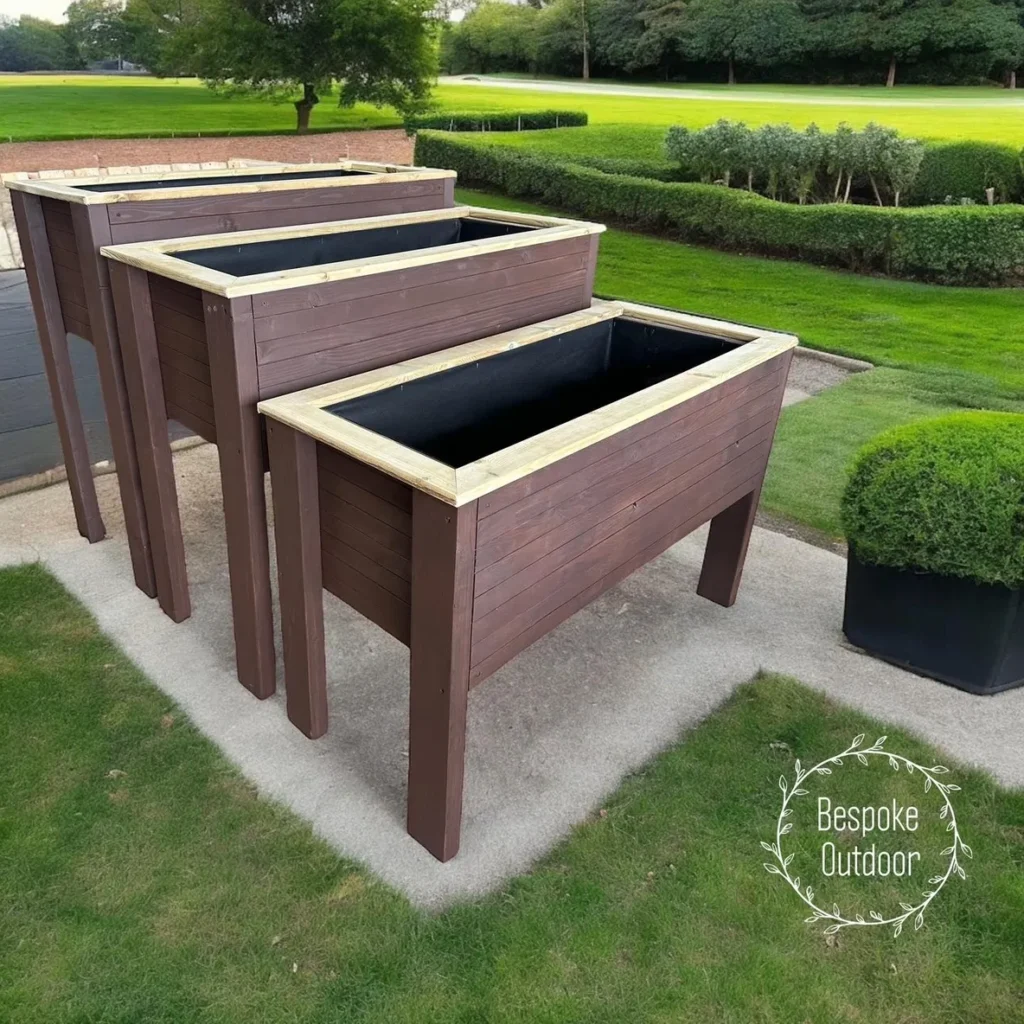
Why Wooden Planters are the Best Long-Term Choice for Your Garden
When shopping for outdoor planters, you will find options made from plastic, metal, stone, and wood. While cheap plastic pots or modern metal troughs might look tempting on a shelf, they often fail to deliver long-term value when exposed to the unpredictable British weather.
Handcrafted timber planters—like our Somerset, Devonshire, and Kingston ranges—are widely considered the best choice for both durability and plant health. Here is a practical look at why high-quality wood is the smartest choice for your garden.
1. Built to Face the Elements (The Benefits of Pressure Treatment)
The biggest worry people have with wooden planters is rot. Cheap timber that has simply been dipped in a surface stain will quickly rot and fall apart after a couple of winters.
- The Solution: Always choose pressure-treated (tanalised) timber.
- How it Works: Pressure treatment forces eco-friendly preservatives deep into the wood’s core, rather than just painting the surface. This creates a permanent shield against wet rot, dry rot, and garden bugs.
- Low Maintenance: Because the protection is deep inside the wood, you don’t need to spend your weekends painting, varnishing, or re-staining your planters every year. Over time, the wood will naturally age to a beautiful, classic silver-grey colour that blends perfectly into any garden.
2. Strong Construction That Won’t Bow Outward
A large planter holds a massive amount of weight once it is filled with compost and soaked with rainwater. This weight presses hard against the container’s side walls.
- Cheap Alternatives: Thin, flimsy wooden pots or cheap plastic containers will quickly bow outward at the sides, causing the corners to split open and leak soil.
- Premium Timber Construction: High-quality wooden planters are built using thick, heavy-duty timber boards attached to a solid internal frame. Whether you choose the clean, modern look of the Somerset baton style or the traditional, rugged look of the overlapping Devonshire range, a well-made wooden planter keeps its straight, clean lines forever.
3. Wood Actively Protects Your Plant’s Roots
Many people don’t realise that the material of a planter directly affects how well plants grow. Wood has a massive natural advantage over plastic and metal:
- The Problem with Plastic and Metal: Metal and thin plastic pots heat up instantly in the summer sun. They act like an oven, cooking delicate root tips and rapidly drying out the soil. In the winter, they offer zero protection against freezing frosts.
- The Wooden Advantage: Wood is a natural insulator. Thick timber walls shield the soil from extreme temperature changes. This keeps the roots cooler on hot summer days and protects them from freezing during severe winter frosts.
Summary Comparison: Wood vs The Alternatives
- Plastic: Fades in the sun, becomes brittle, and cracks easily after a few winters.
- Metal: Scorches roots in summer, freezes them in winter, and can rust at the seams.
- Stone & Terracotta: Extremely heavy to move and highly prone to cracking during a hard winter frost.
- Premium Timber: Long-lasting, naturally insulates roots, won’t crack in the frost, and ages beautifully over 15+ years.
If you want a planter that is heavy enough to handle high winds, strong enough to hold deep soil, and naturally insulated to keep your plants healthy, handcrafted pressure-treated wood is the ultimate choice for your home.
Do wooden planters need to be lined?
Yes, wooden planters should always be lined, but you must use a porous fabric geotextile membrane rather than a solid plastic bag. A breathable fabric liner keeps the soil and compost contained inside the box while allowing excess water to drain out naturally. Solid plastic liners trap water at the bottom, which suffocates plant roots and causes root rot.
How long do pressure-treated wooden planters last?
High-quality, pressure-treated (tanalised) timber planters are built to last between 15 to 20+ years in the British climate without requiring any annual painting, varnishing, or chemical recoating. Cheap, dip-treated alternatives usually only last 2 to 3 seasons before the wood begins to warp and rot.
How do you stop a wooden garden planter from rotting?
To prevent a wooden planter from rotting, ensure three things: first, always buy planters made from pressure-treated (tanalised) timber; second, use a breathable fabric liner instead of solid plastic; and third, make sure the planter is raised slightly off the ground on small feet or risers so water can flow away freely from the base boards instead of pooling underneath.