
How to Choose the Right Size and Setup
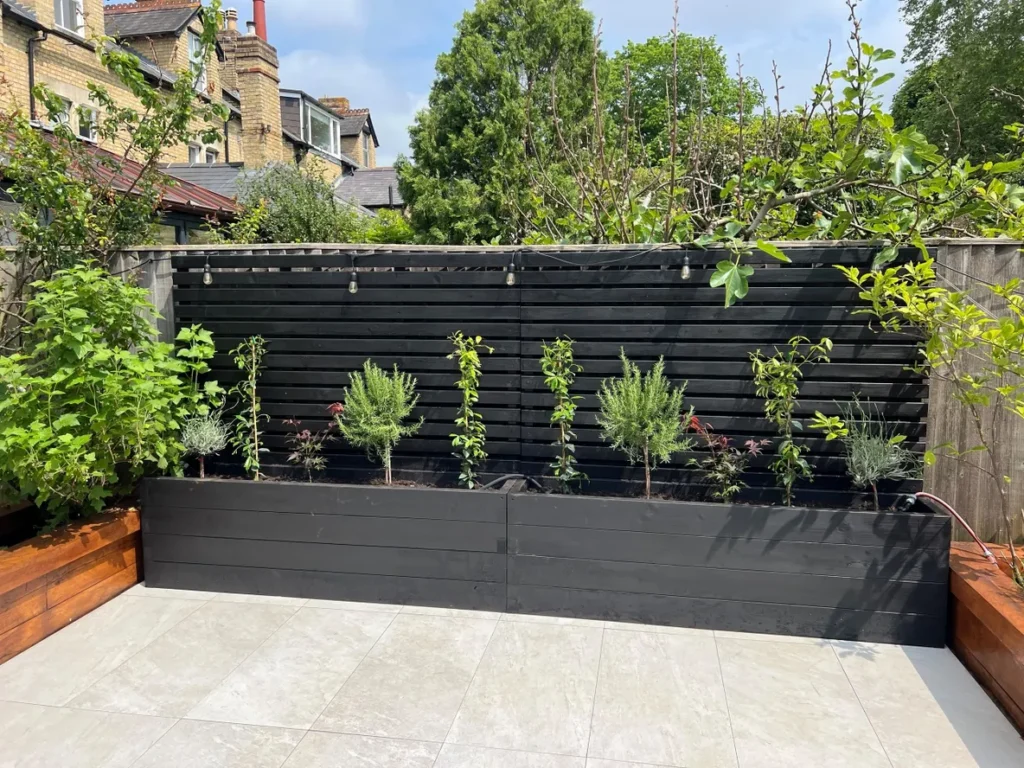
The Practical Guide to Large Wooden Garden Planters: Sizing, Lining, and Drainage
Adding large wooden planters to your garden, patio, or balcony is one of the best ways to create structure, add privacy, or grow beautiful specimen trees. Because wood is a natural material, it looks right at home in any outdoor space, matching perfectly with lawns, brickwork, and paving.
However, when you are buying a large planter, make sure it is sized correctly for your plants and built to handle the outdoor elements. This straightforward guide covers the basics of picking the right size, using liners correctly, and ensuring your plants thrive.
1. Choosing the Right Size for Your Plants
A good planter needs to give your plant’s roots enough room to grow while remaining stable in windy weather. Here is a quick guide to matching your plants to the right planter size:
- For Small Trees and Large Shrubs (Like Olives, Bays, or Acers): You need a large square cube (at least 50cm x 50cm). Large trees can become top-heavy in summer. A thick, heavy-duty wooden planter provides the weight and stable base needed to keep trees from blowing over in high winds.
- For Privacy Screening and Hedges (Like Bamboo or Laurel): Long rectangular troughs (at least 100cm to 120cm in length) are ideal here. If you are planting running bamboo to block out a neighbour, you need a strong, thick-walled wooden planter to contain its aggressive root system safely.
- For Flowers, Herbs, and Bedding Plants: Smaller troughs or square planters (30cm to 40cm deep) work perfectly. These are lightweight enough to sit on smaller patios or decking while still holding plenty of soil.
2. Why You Need a Fabric Membrane Liner (Not Solid Plastic)
One of the most important parts of setting up a wooden planter is the internal liner.
- The Mistake to Avoid: Never line a wooden planter with a solid plastic bag or non-porous plastic sheeting. Solid plastic traps water completely at the bottom of the planter. This turns the soil into a soggy bog, which quickly rots your plant’s roots and damages the wood from the inside out.
- The Correct Way: Always use a breathable, fabric geotextile membrane.
- What it Does: This fabric acts like a filter. It allows excess water to escape freely while keeping all the soil inside the planter. This stops messy mud from washing out onto your clean patio stones and keeps your planter neat.
3. Getting Your Drainage Right
More plants die in pots from overwatering and blocked drainage than from underwatering. To keep your plants healthy, follow these three simple steps when filling your new wooden planter:
- Check the Base: Ensure your planter has pre-drilled drainage holes in the bottom so water can escape.
- Elevate the Planter: Make sure your planter sits slightly off the ground on small feet or timber risers. If a planter sits completely flat on a smooth patio, water gets trapped underneath, blocking the holes and rotting the baseboards. Raising it just a few millimetres keeps air flowing and water draining.
- Use the Right Soil: Don’t dig up heavy clay from your garden to fill a large planter—it will compact down and block the drainage holes. Use high-quality container compost mixed with a little grit or sand to keep the soil loose and airy.
What are the best wooden planters for balconies?
The best wooden planters for balconies are long, rectangular troughs (such as the Somerset or Kingston ranges) that are deep enough to support plant roots yet narrow enough to preserve floor space. When buying for a balcony, always ensure the planter features an internal fabric liner to prevent soil from washing out onto the decking, and check your balcony’s weight limits before filling large containers with wet compost.
Can you put wooden planters straight onto soil or grass?
It is highly recommended to place wooden planters on a hard, flat surface such as gravel, paving, or decking rather than directly on wet soil or grass. If a planter sits directly on muddy ground, it will constantly soak up moisture from underneath, which blocks the drainage holes and shortens the lifespan of the baseboards.
How do you secure a top-heavy tree in a wooden planter?
To keep a top-heavy tree (like a tall Olive or Bay tree) from blowing over in high winds, choose a heavy-duty square wooden cube with a wide footprint (at least 50cm x 50cm). The natural deadweight of thick timber boards creates an incredibly stable base. Additionally, add a 5cm layer of heavy gravel or stone aggregates to the very bottom of the planter before adding your compost to keep the centre of gravity low.